Chelsea to Chiswick: where private buyers are looking in 2026
18 June 2026 · Mark Wells, Founder & CEO
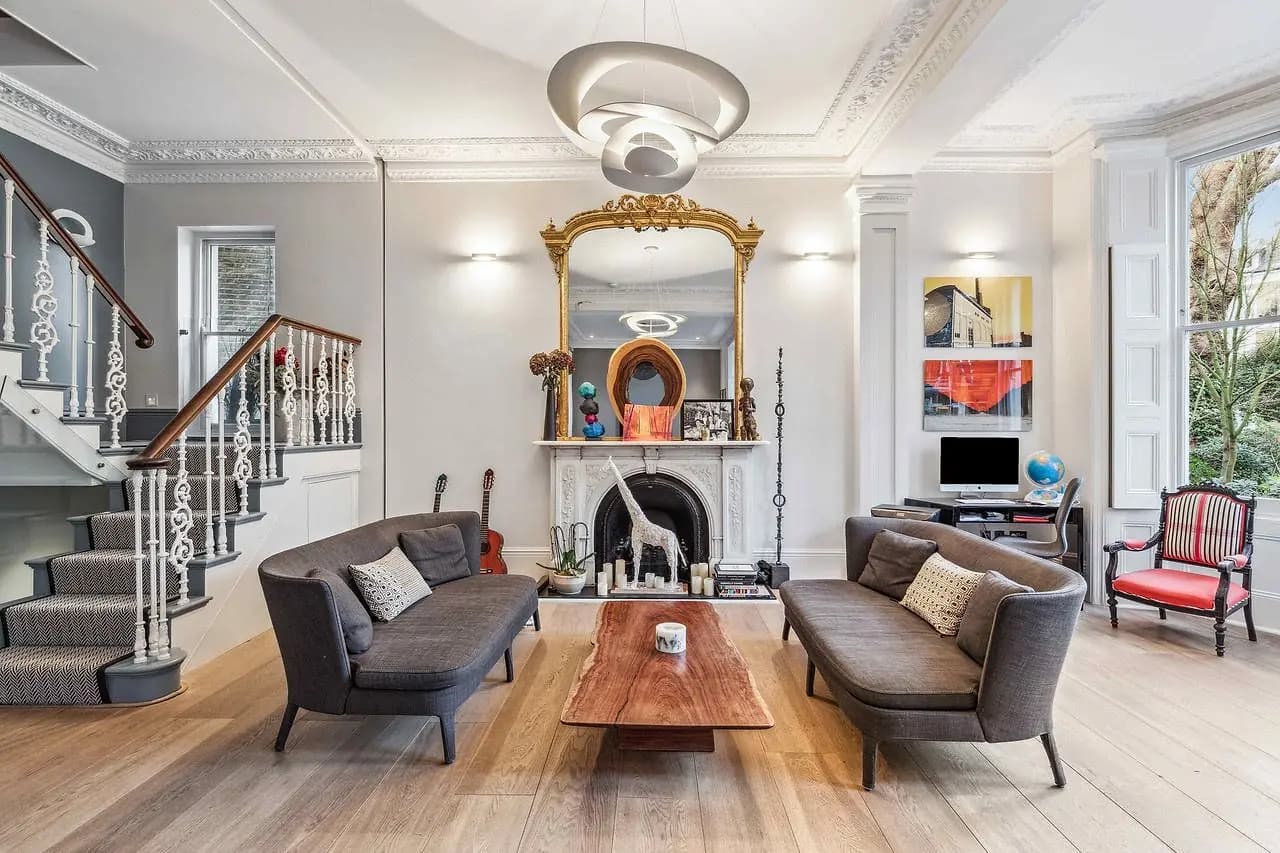
In April, Chelsea quietly produced the biggest house sale in British history: Nick Candy’s Providence House, sold for more than £270 million without ever being publicly marketed. As Spear’s observed, even the buyer’s identity could not stay secret for long, but the sale itself was prime London’s privacy-first instinct taken to its logical extreme: no listing, no record, every buyer personally known to the seller. Sales at that level are managed person by person, and always will be. The same instinct, minus the guest list, now runs right down the prime market, and our platform data shows where that private demand is flowing.
Invisible Homes is live across sixteen London boroughs, with 80,000 registered members and more than 150 partner agencies, which means we can see the searches that never touch a portal. What follows is the shape of private demand across west and south-west London in 2026.
Where is private buyer demand strongest in 2026?
Chelsea and Kensington remain the deepest off-market territory in the capital. This is where discretion is most prized, where security concerns genuinely shape selling decisions, and where Hamptons found more than half of higher-value stock already changes hands privately. Member demand here skews to the classic garden squares and to houses with outside space, and briefs are precise: buyers know the streets they want, sometimes the side of the street.
Follow the river west and the pattern changes character. Hammersmith, Chiswick and Barnes attract members trading central postcodes for space, schools and the riverside village feel, with Chiswick Mall and the Bedford Park conservation area recurring in briefs all year. These are neighbourhoods where off-market selling suits the social fabric: vendors are often selling to move within the same few streets, and would rather their neighbours did not follow the process on Rightmove.
South of the river, Wandsworth, Putney and Wimbledon continue to absorb families leaving the centre, and Richmond and Kingston anchor the platform’s south-western edge. Demand between the commons is consistently stronger than public listing volumes suggest, which is precisely the point: in family neighbourhoods, the gap between what portals show and what actually transacts is where members find their homes.
“Off-market home sales have surged in the British capital, accounting for more than one-in-five transactions.”
CNN
What about beyond London?
The same behaviour is spreading outward. Country Life has noted that the best country houses increasingly give committed buyers early, discreet access before any public campaign, and a meaningful share of member briefs now pair a London search with a country one. Our expansion plans follow that demand: London first, then the Home Counties.
For buyers, the practical conclusion is the one we drew in our guide to the off-market mindset: location preferences only matter if you can see the stock. Register your brief and the matching covers every active borough at once. For sellers in these neighbourhoods wondering what private demand looks like for their own street, request a confidential valuation and we will show you.

Rightmove data — Missing prime London sales | Invisible Homes
Discover why portal data and Rightmove data understate activity in prime London. Analysis of off-market sales, headline distortions and what the numbers omit.
Read more →
Off‑market property valuation — evidence & comparables | Invisible Homes
Discover how to value a property without portal comparables by using Land Registry history, per‑sq‑ft benchmarks and private-sale comparables held by agents.
Read more →
Off-market sales — London agency trends | Invisible Homes
Browse analysis of London off-market sales and how top agents secure instructions.
Read more →